

Peptides
What Are Peptides? Benefits, Uses, and Safety Explained for Beginners
Summarize the article with:
 ChatGPT
 Claude
 Perplexity
 Google AI
Dec
Peptides have quickly become one of the most talked-about tools in modern wellness, performance, and recovery — and for good reason. As research grows, more people in Canada are exploring peptides benefits to support energy, muscle development, longevity, cognitive health, and overall well-being.
If you’re new to peptides, this guide will walk you through the basics: what they are, how they work, the most common types, and important safety information to know before getting started.

What Exactly Are Peptides?
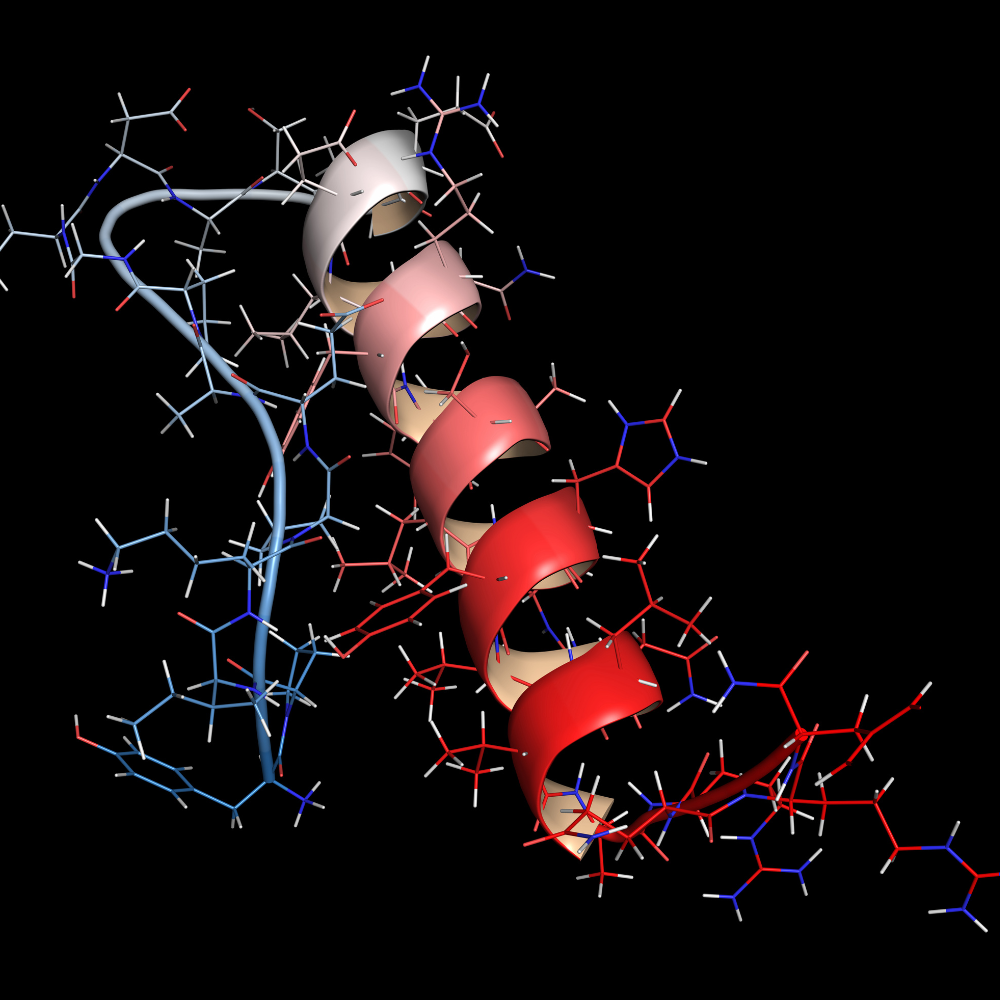
Peptides are short chains of amino acids — the same building blocks that make up proteins in the human body.
While proteins are long and complex, peptides are smaller and easier for the body to use.
Your body naturally produces hundreds of peptides every day, responsible for functions like:
- Healing and tissue repair
- Immune system communication
- Hormone regulation
- Cognitive performance
- Muscle growth and fat metabolism
- Sleep and stress response
Peptide therapy simply works by supporting or enhancing processes your body already performs on its own.
How Do Peptides Work in the Body?
Because peptides mimic natural signals, they interact with specific receptors in the body.
Each peptide has a targeted purpose, such as:
✔ Increasing growth hormone release
Peptides like CJC-1295 or Ipamorelin send signals that help support lean muscle development and recovery.
✔ Reducing inflammation and supporting healing
Popular options like BPC-157 or TB-500 may support faster tissue repair and decrease inflammation.
✔ Improving focus, energy, and mood
Research peptides such as Semax and Selank (often used as nasal sprays) may support cognitive performance and stress resilience.
✔ Enhancing sleep and restoration
Some peptides are used to improve sleep depth, recovery, and circadian rhythm.
Each peptide works differently — but the common theme is precision and specificity, supporting the body’s natural processes without overwhelming the system.
Popular Types of Peptides and Their Uses
Here are some of the most widely used peptides in Canada:
🧬 1. Performance & Muscle Growth Peptides
- CJC-1295
- Ipamorelin
- GHRP-2 / GHRP-6
These peptides are often used to support muscle development, fat metabolism, and faster recovery from training.
🩹 2. Healing & Recovery Peptides
- BPC-157
- TB-500
Commonly used to support joint health, tissue repair, gut function, and inflammation management.
🧠 3. Cognitive & Mood Support Peptides (Nasal Sprays)
- Semax
- Selank
Known for potential benefits in focus, clarity, memory, mood balance, and reducing stress levels.
🌙 4. Sleep & Longevity Peptides
- DSIP (Sleep support)
- Epitalon (Longevity pathways)
These peptides may support circadian rhythms, deeper sleep, and anti-aging processes.
Benefits of Peptide Use
While effects vary by type, many users report:
- Increased recovery speed
- Improved energy and performance
- Reduction in inflammation
- Better sleep quality
- Higher stress resilience
- Support for muscle tone and fat reduction
- Enhanced cognitive clarity
Because peptides act as targeted messengers, many people find them more natural and gentle than standard pharmaceutical approaches.
Are Peptides Safe?
Peptides are generally considered well-tolerated, especially when used responsibly.
However, safety depends on:
- Proper sourcing
- Correct dosing
- Individual health conditions
- Following research guidance
It’s important to purchase peptides from reputable Canadian suppliers who prioritize quality, purity, and proper labeling.
Note: Peptides sold on NordWellness.ca are intended for research purposes only.
How to Choose the Right Peptide
If you’re new, start by identifying your goal:
- Recovery / Healing: BPC-157, TB-500
- Performance: CJC-1295 + Ipamorelin
- Cognitive support: Semax, Selank (nasal spray)
- Stress relief: Selank
- Sleep: DSIP
- Longevity: Epitalon
Always review each product’s description and research data before use.
The Bottom Line
Peptides represent one of the most promising areas in modern wellness, performance, and longevity research. Whether your goal is recovery, cognitive function, energy, or general well-being, there is likely a peptide designed to support that pathway.
As interest continues to grow across Canada, peptides are becoming a foundational tool for those looking to optimize their health naturally and effectively.
To explore available options, visit the peptide collection at Nord Wellness
👉 Explore research-driven wellness solutions at Nord Wellness.
👉 Contact us for institutional or bulk orders
Disclaimer
All Nord Wellness products are supplied strictly for laboratory and research use. They are not approved by Health Canada for human or veterinary administration. Researchers are responsible for ensuring compliance with all applicable regulatory and institutional guidelines.



Great article explaining the basics of peptides! I’ve been particularly interested in AOD-9604 for metabolic support after coming across this detailed breakdown of its mechanisms: https://mindbodyneurology.com/aod_9604/.
Could you share if NordWellness has any plans to offer AOD-9604 in nasal spray form like your other peptide formulations? The convenience of nasal delivery seems ideal for this peptide given its fat metabolism benefits. Also, how would you compare its effects to other metabolic peptides like Cagrilintide that you currently carry?
This was a great beginner-friendly introduction to peptides. I liked how the article explained the benefits, uses, and safety considerations in a very balanced way instead of making the topic sound overly complicated or overly hyped. The focus on understanding peptides before using them was especially valuable. Do you think peptide research will eventually become more mainstream in general wellness and performance discussions?
Excellent article for readers who are completely new to peptides. I appreciated that the explanations were simple enough to follow while still keeping a scientific and educational tone. The section discussing safety and responsible use was especially important because many online sources skip over that part. It would be interesting to read more about how different types of peptides are used for specific health or performance goals.
Really informative and well-structured read. Peptides can feel confusing for beginners because there’s so much conflicting information online, so I appreciated how this article focused on clear explanations and realistic expectations. The balance between benefits and safety considerations made the content feel much more trustworthy. Have researchers identified which peptide categories are currently showing the most promising long-term research results?